Conveyor Pulleys (Drums)
Drive Pulley
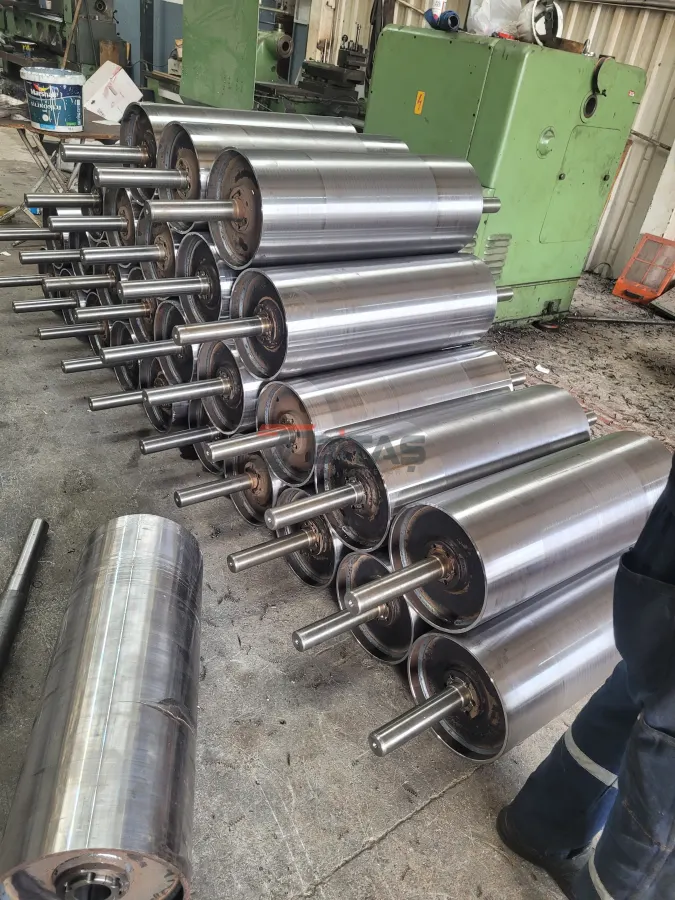
Heavy-duty conveyor drive pulley with rubber or ceramic lagging that transfers motor-gearbox power to the belt.
View details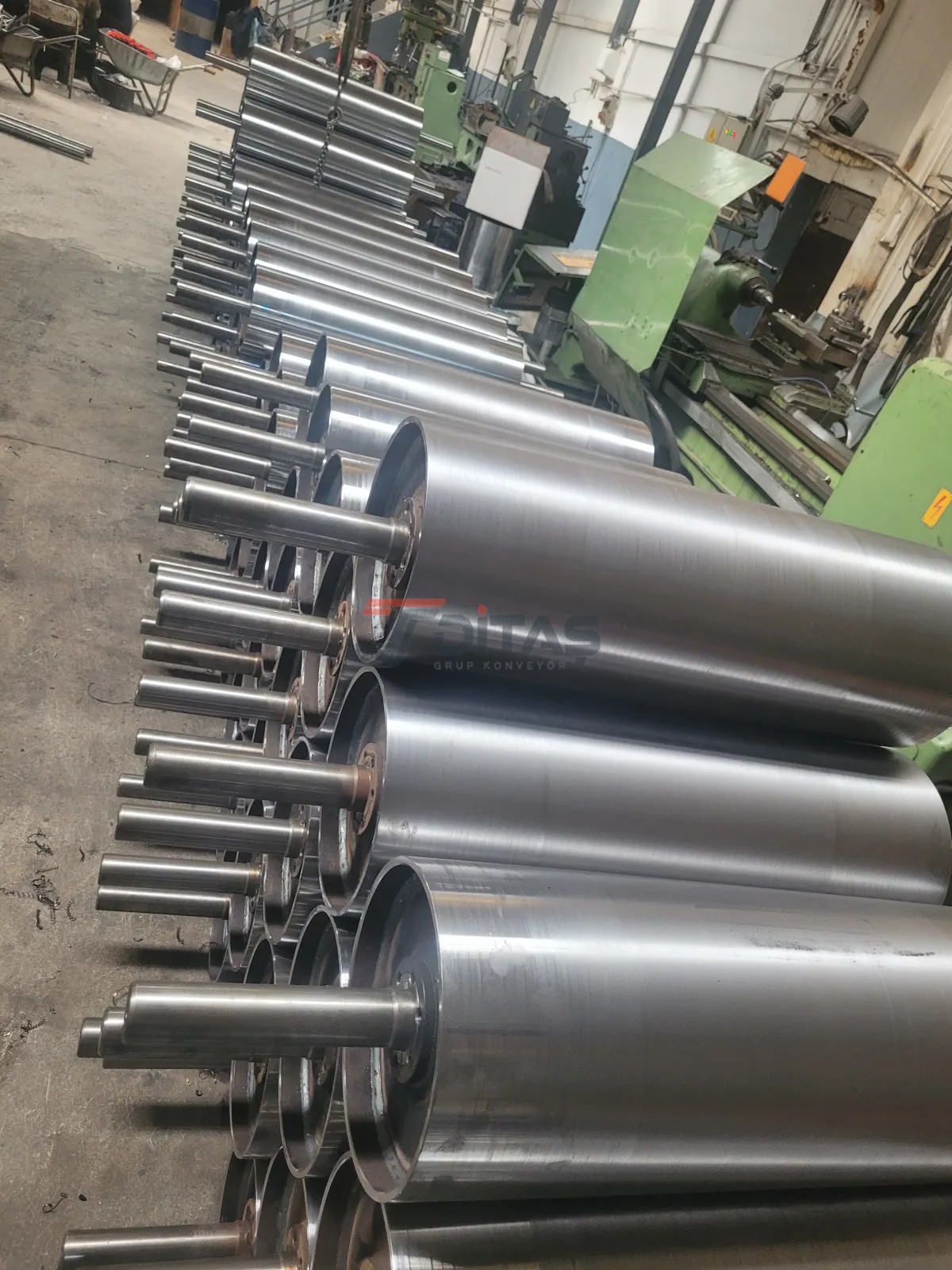
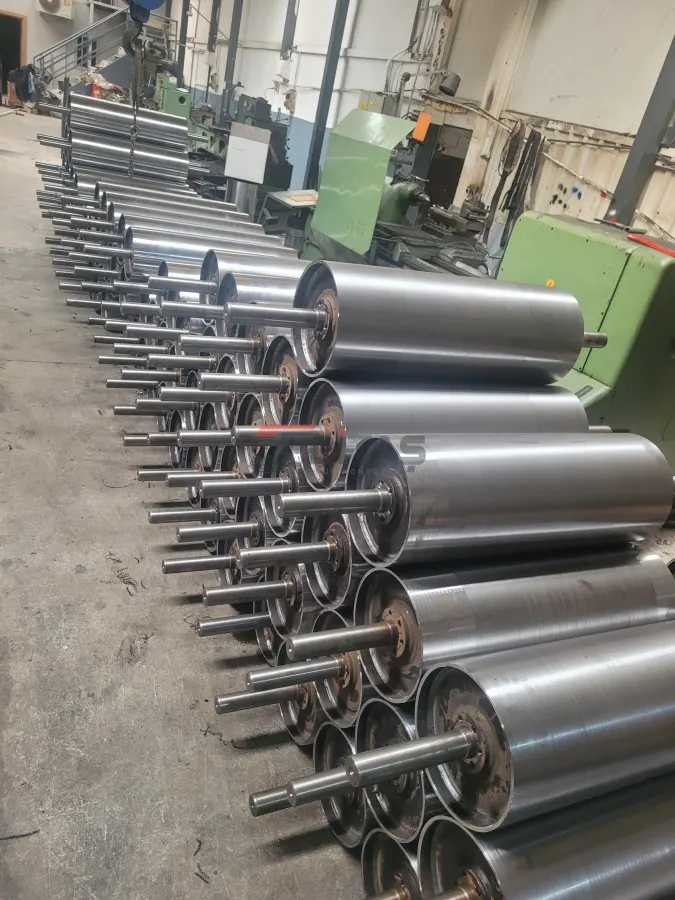
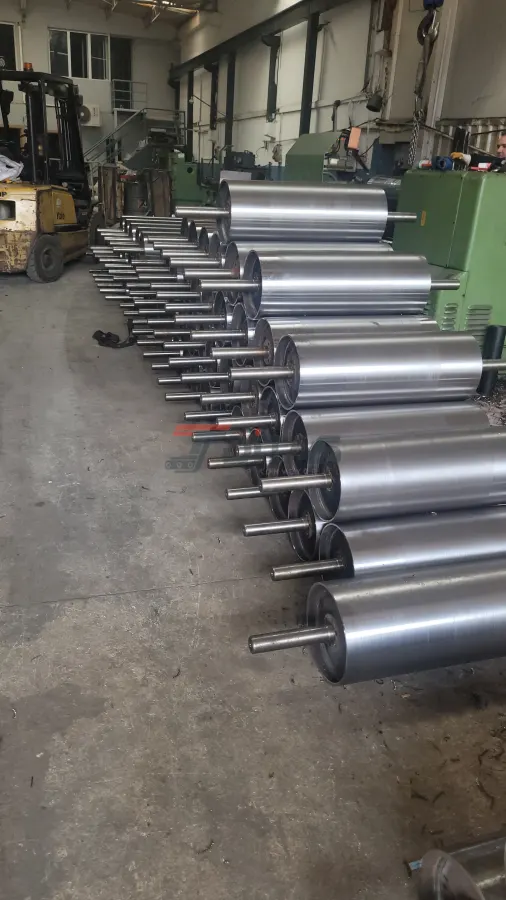
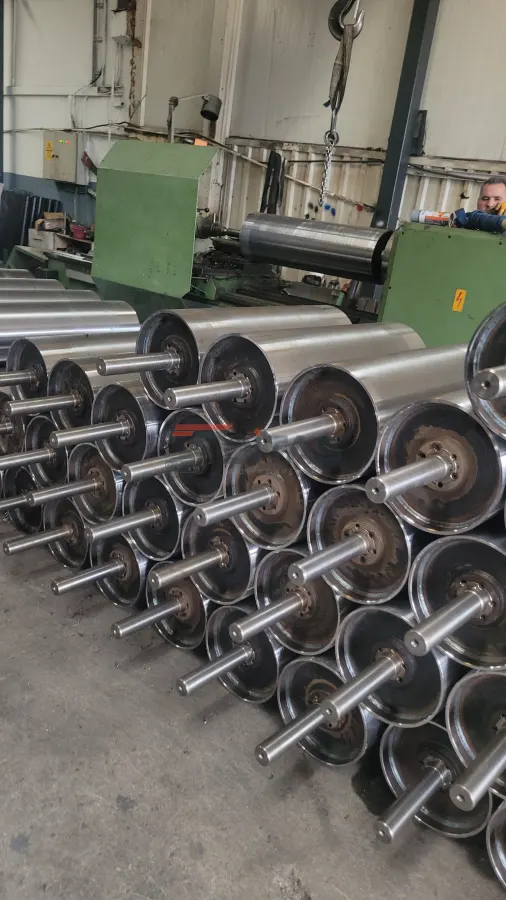
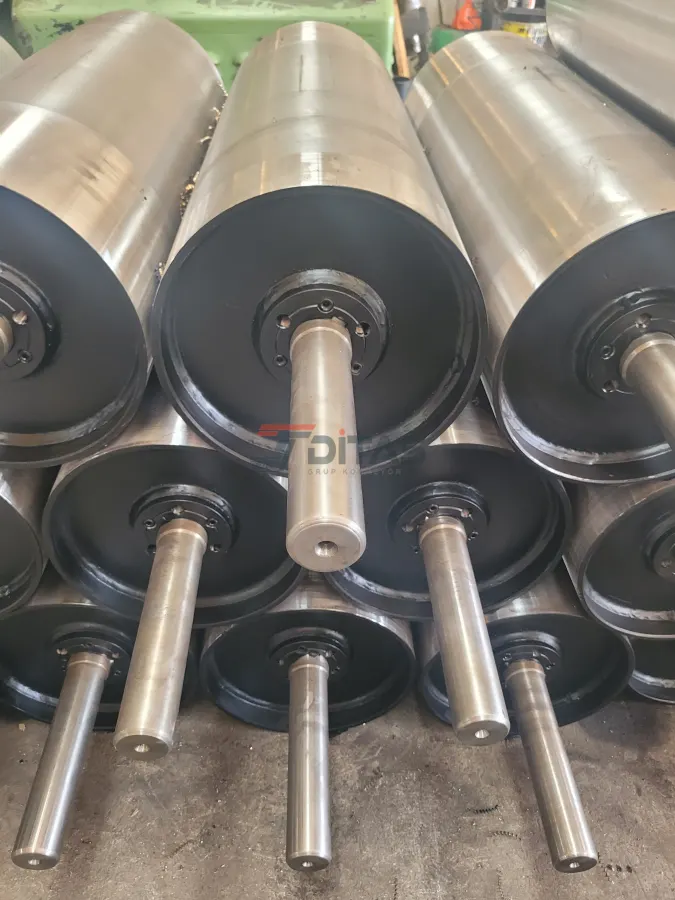
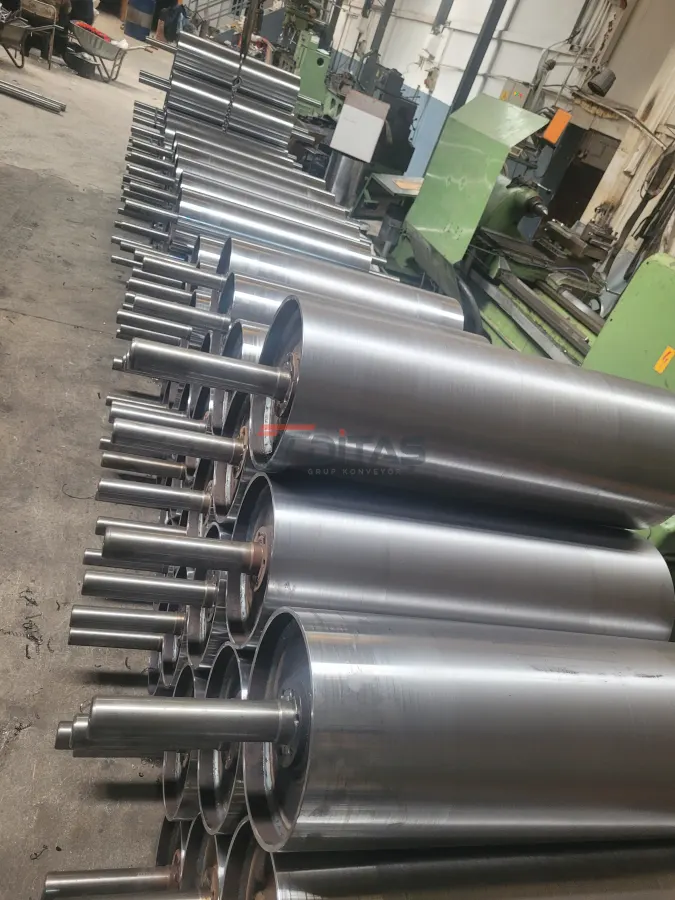
Welded steel conveyor pulleys for drive, tail, take-up and snub positions — balanced, inspected and available with rubber or ceramic lagging.
Heavy-duty conveyor drive pulley with rubber or ceramic lagging that transfers motor-gearbox power to the belt.
View detailsConveyor tail pulley that returns the belt at the loading end, lagged or plain.
View detailsTake-up pulley that maintains belt tension in screw, carriage or gravity take-up systems.
View detailsSnub or bend pulley that increases wrap angle on the drive pulley or changes belt direction.
View detailsConveyor pulley with plain, diamond-grooved or ceramic lagging that increases grip and reduces wear.
View detailsHeavy-duty conveyor pulley with full-penetration welded shell and internal end discs.
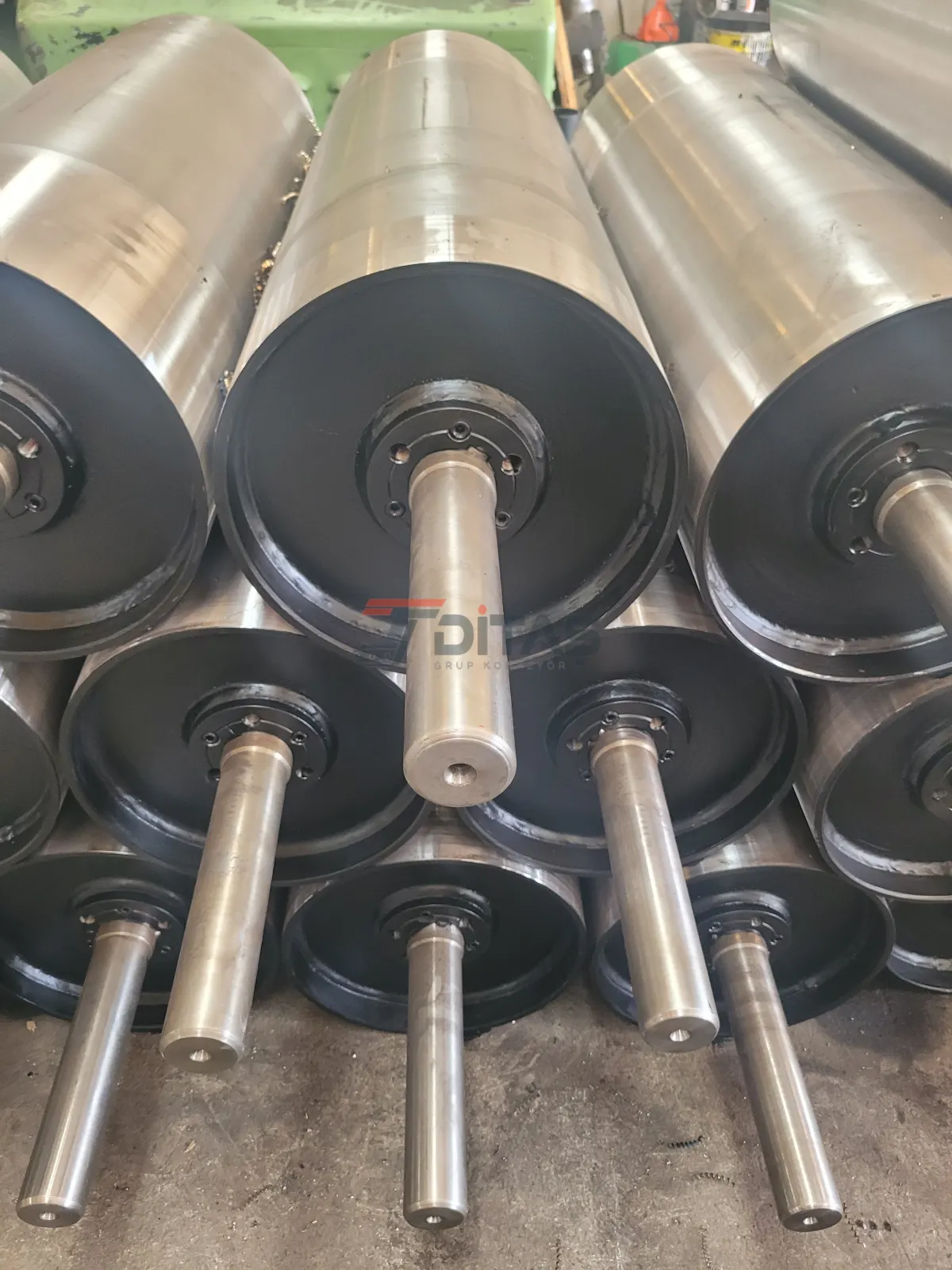
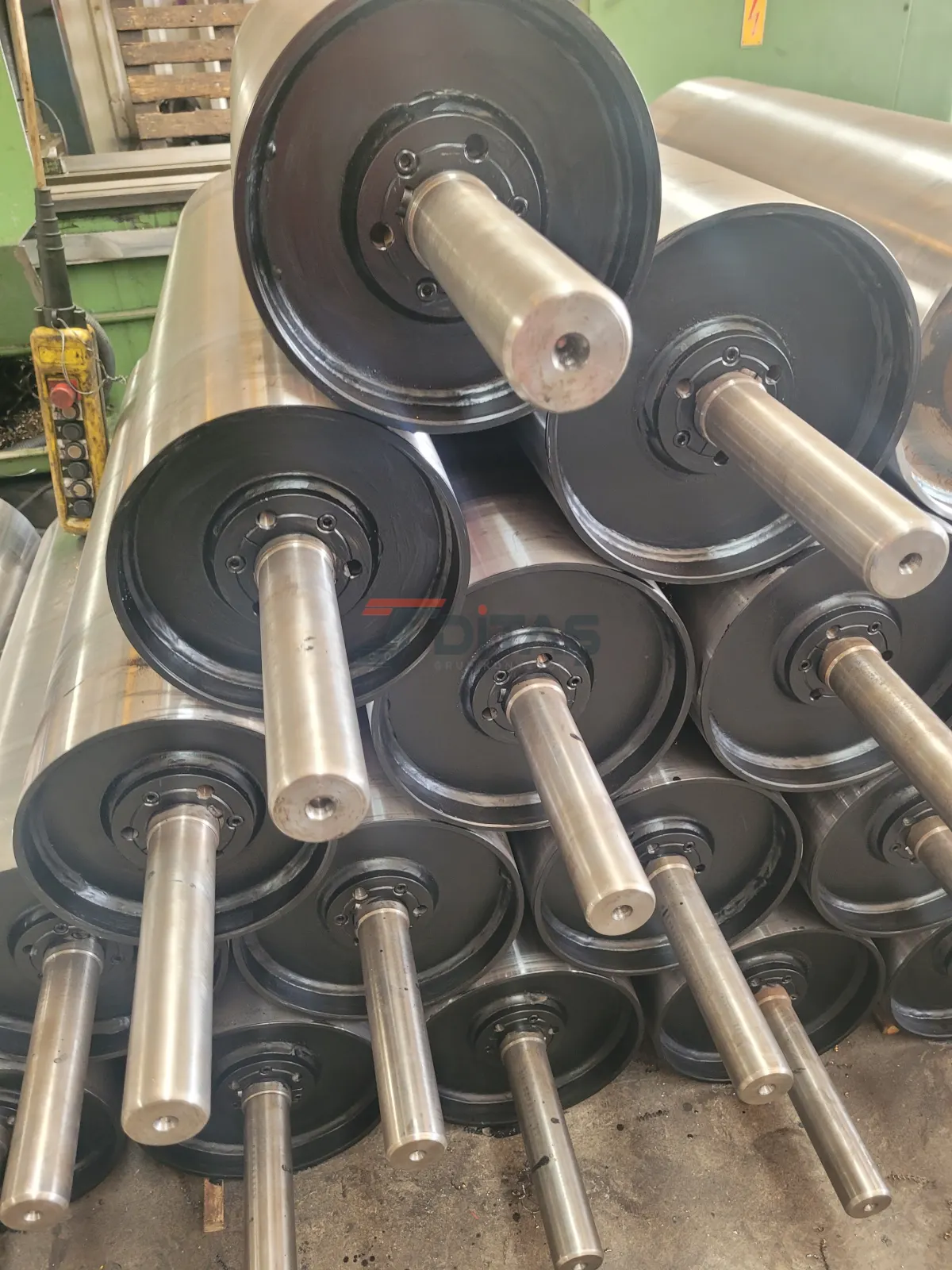
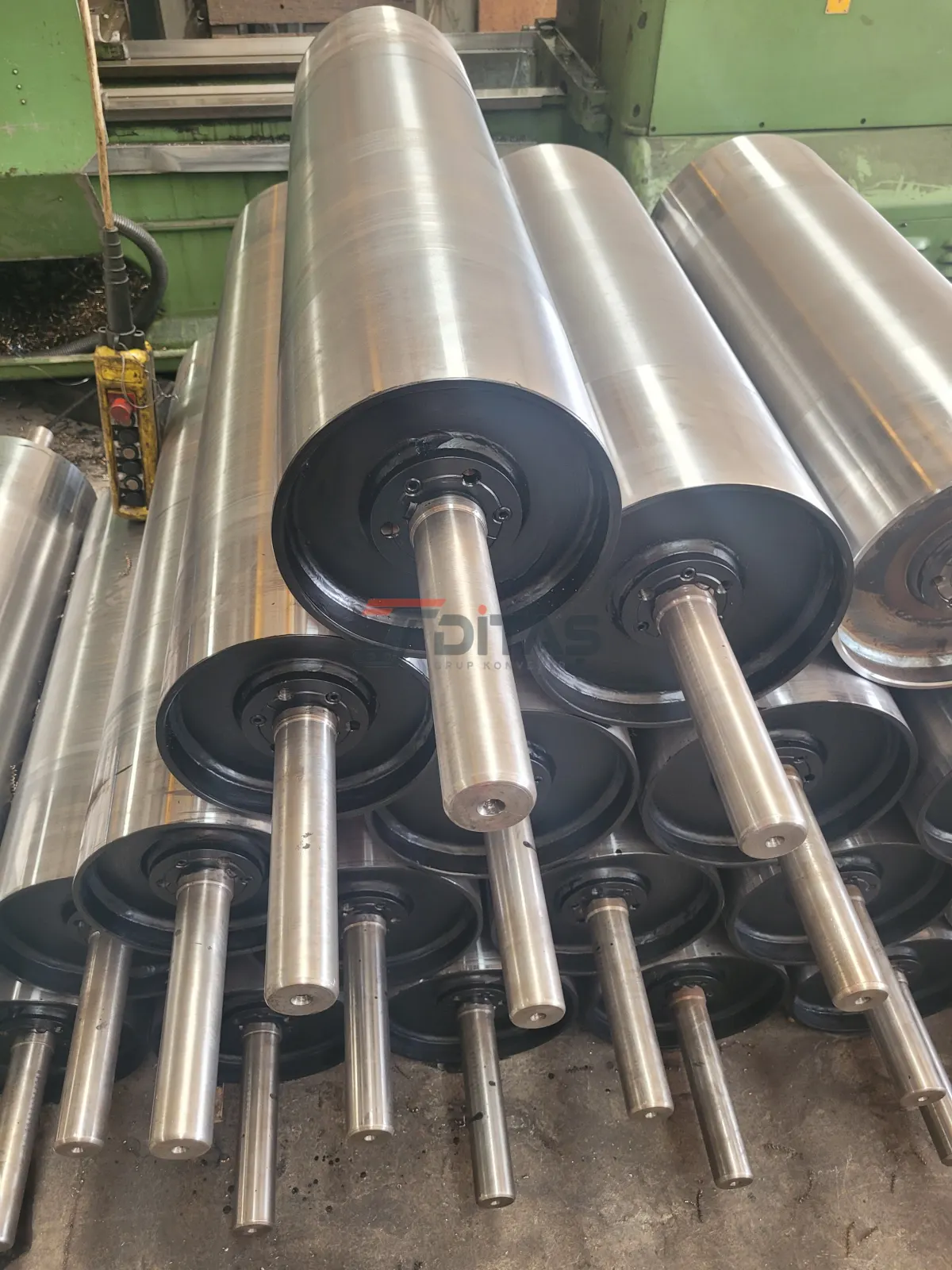
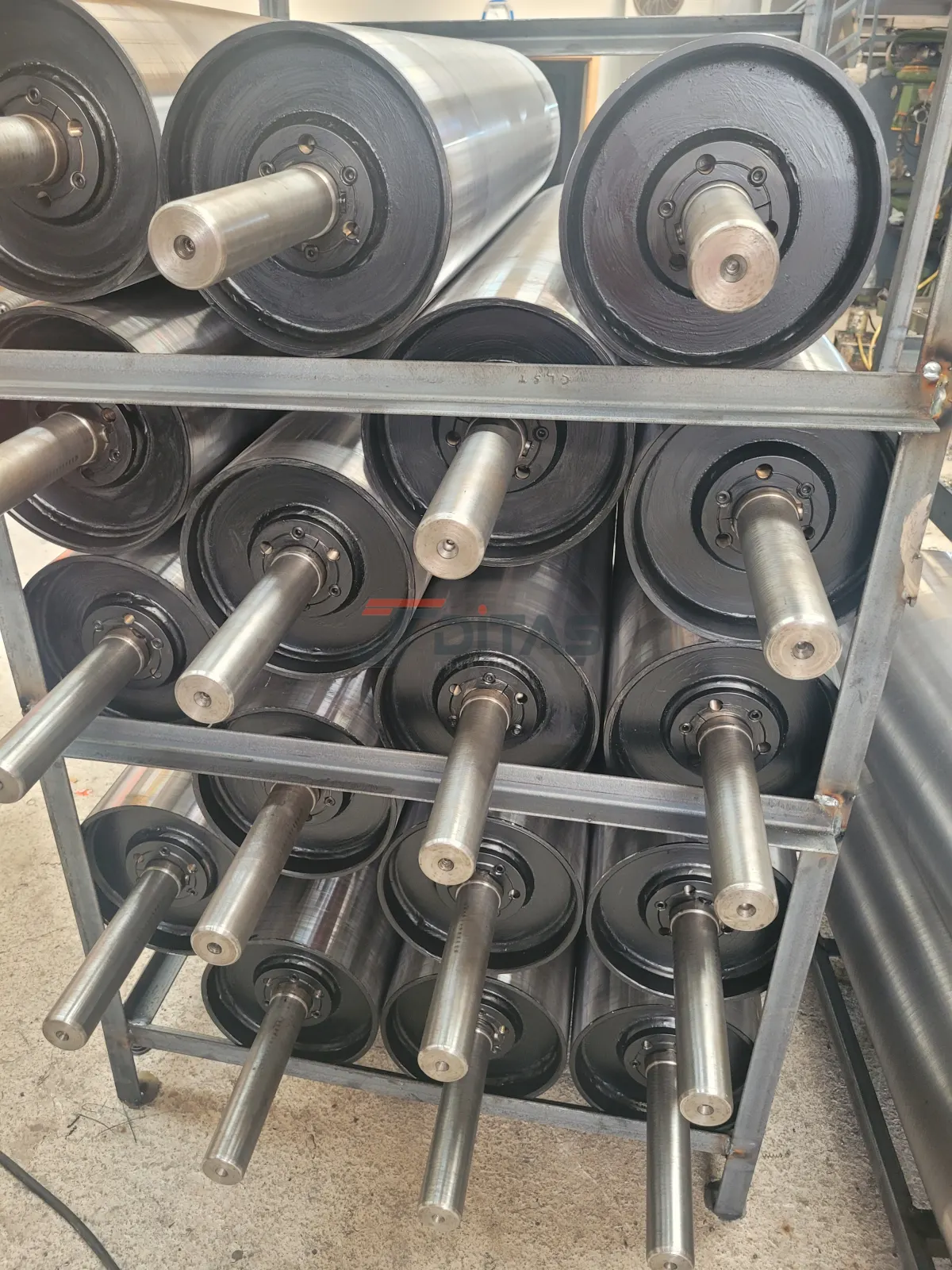
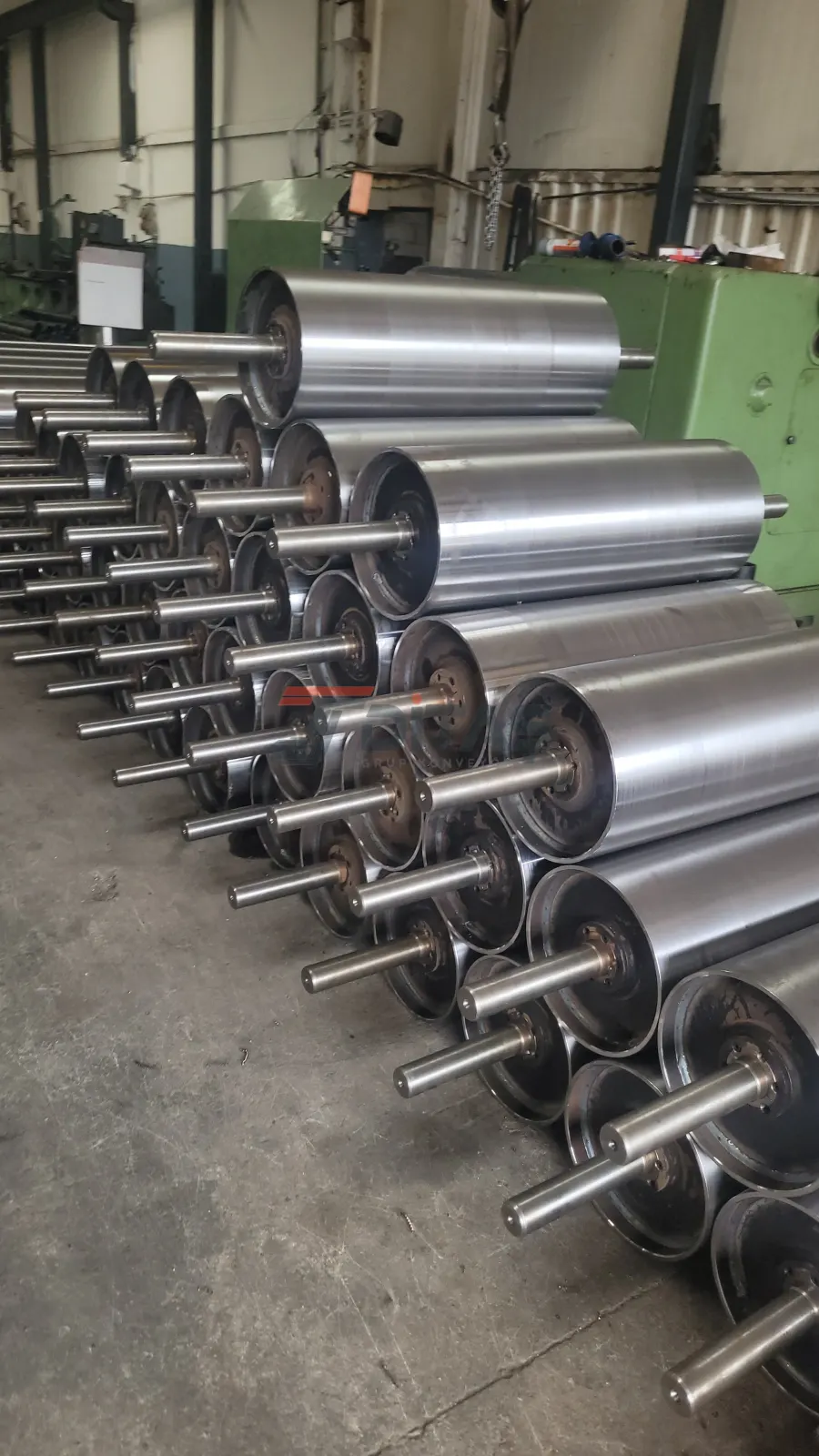
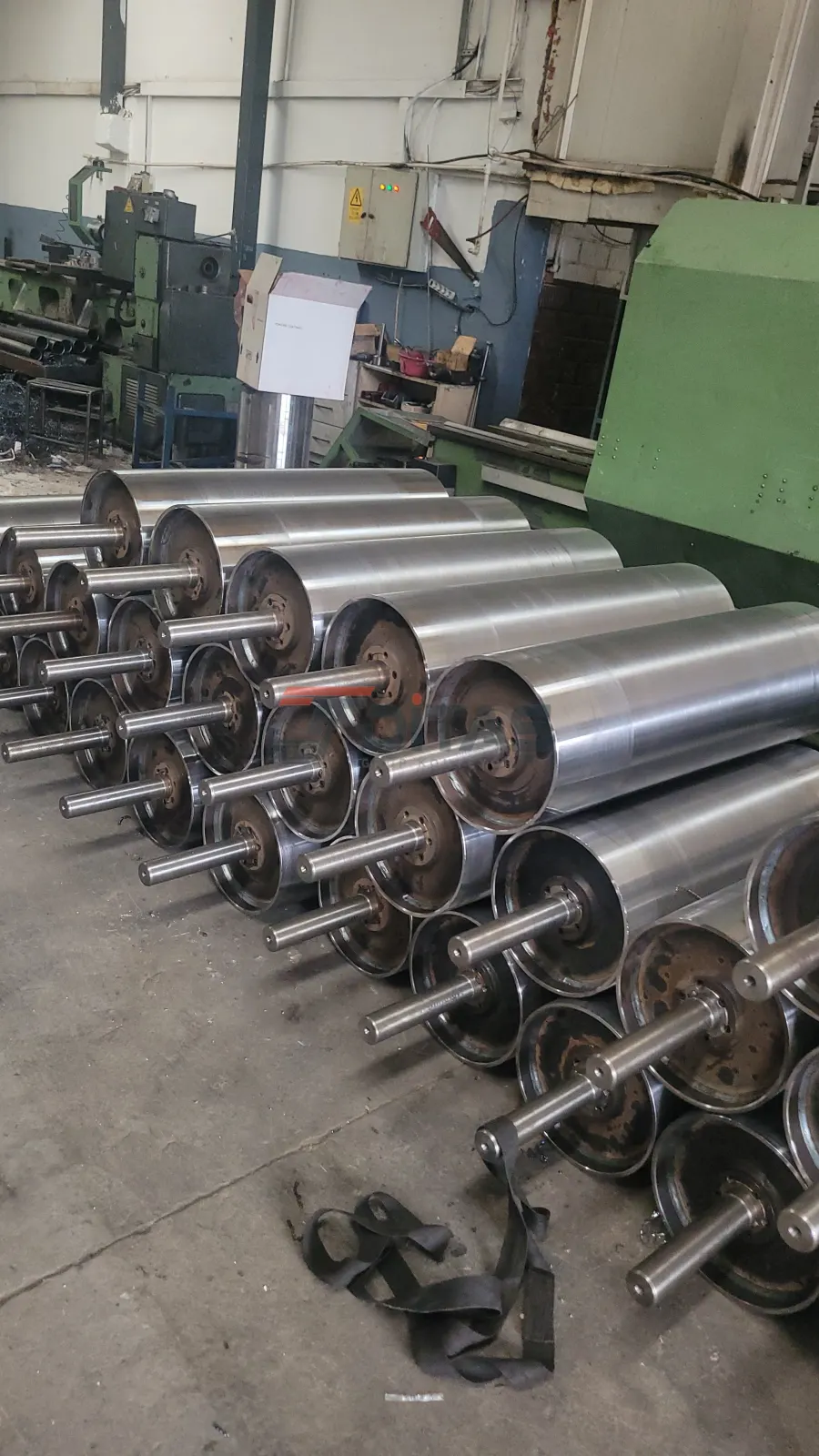
View detailsThe conveyor pulley (drum) drives the belt, changes its direction and maintains its tension. A pulley failure stops the whole line, so design, materials and manufacturing precision are critical.
Our pulleys use rolled plate or seamed tube shells, internal stiffening discs and shafts machined from C45 / 42CrMo4 steel. Shell welds are full penetration; shell and shaft are machined on CNC lathes. The shaft–shell connection uses locking assemblies or keys. Every pulley is checked for run-out and balance before painting.
Pulley diameter depends on belt type and ply count, belt tension and wrap angle; shaft diameter is calculated for bending and torsional loads. Plummer blocks (SN/SNL housings with spherical roller bearings) and lagging are selected for the operating environment.
Our production range: Ø 200 – 1250 mm pulley diameter, 500 – 2800 mm face width.
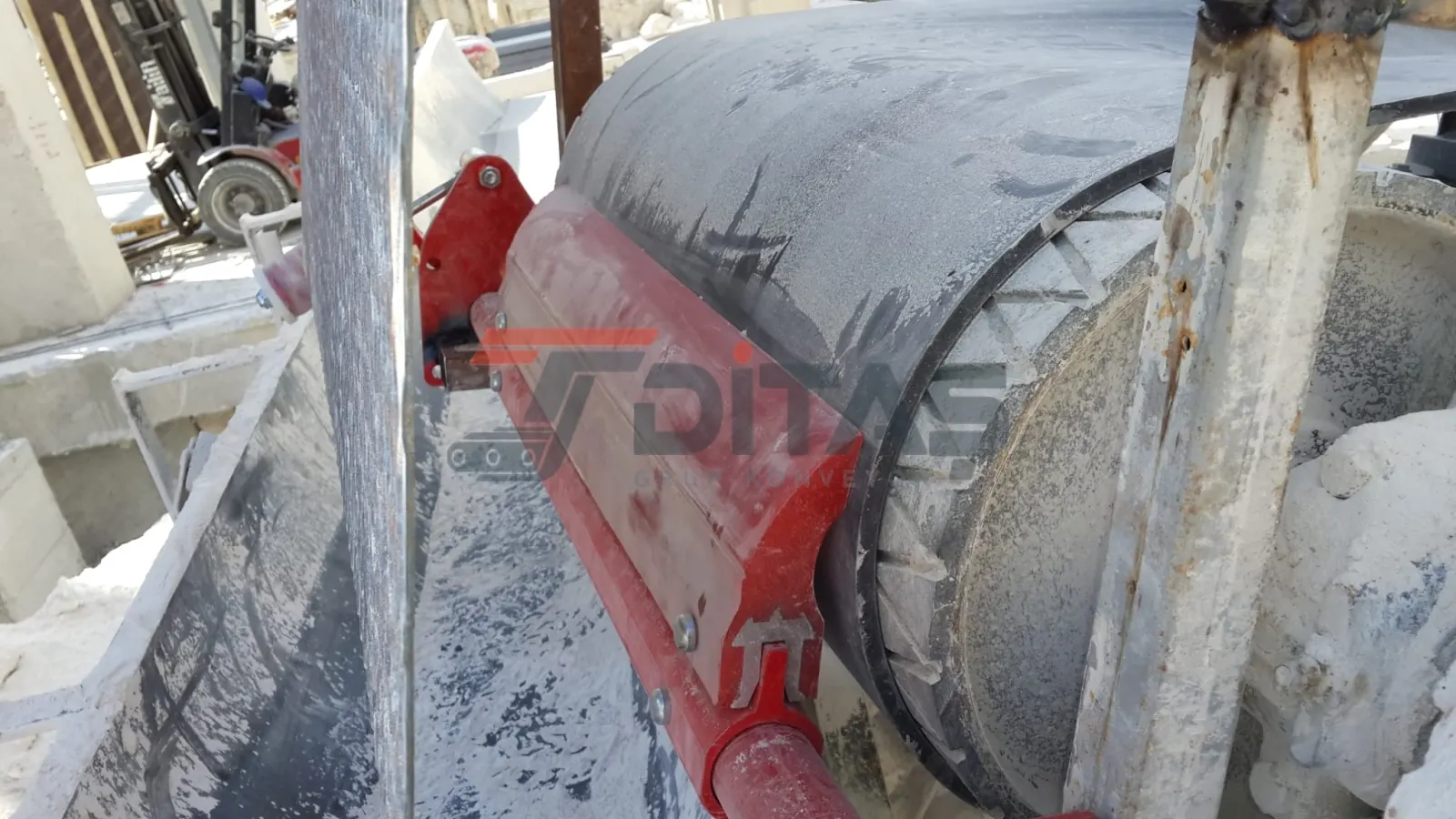
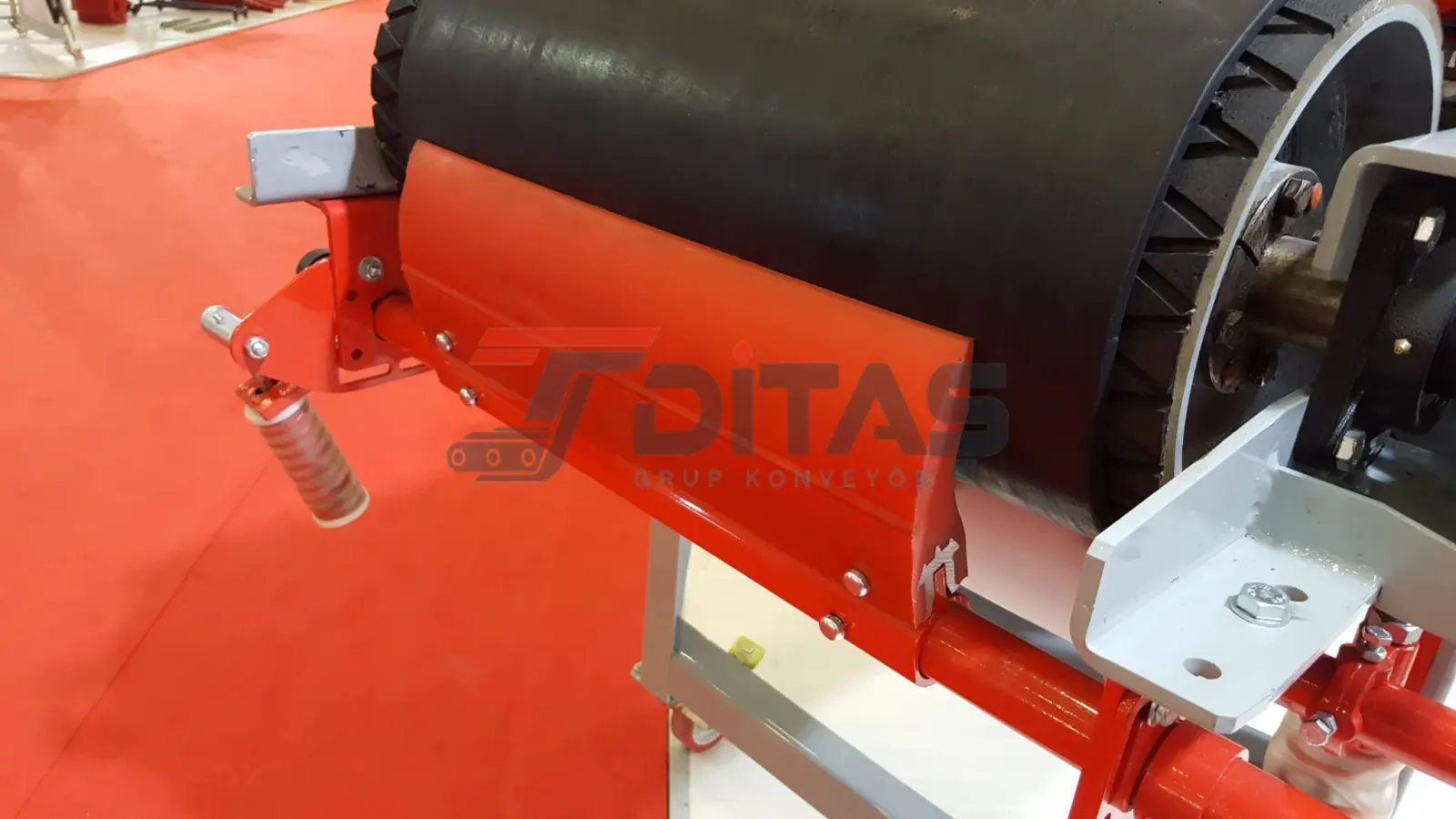
Lagging increases friction between belt and pulley, prevents slippage and protects both from wear. Diamond-grooved or ceramic lagging is preferred for wet and sticky materials.
By belt type and ply count, belt tension and pulley position (drive, tail, snub). Send us your data and we will help you specify it.
Yes. We manufacture exact replacements from the dimensions, shaft details or drawing of your existing pulley.
Yes, every pulley is checked for run-out and balanced before shipment.
Send us your drawing or requirement list and our engineers will reply with a tailored price and lead time.