A conveyor is a mechanical handling system that moves material continuously and in a controlled way from one point to another. It is used in almost every industry — from mining and food to ports and automotive — to reduce labour, increase efficiency and improve safety.
How does a conveyor work?
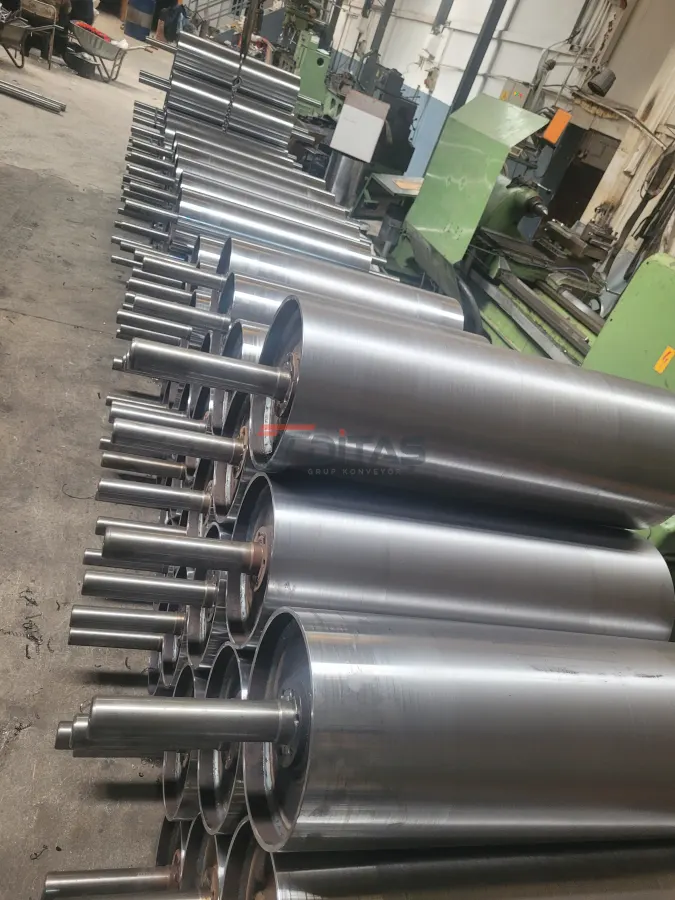
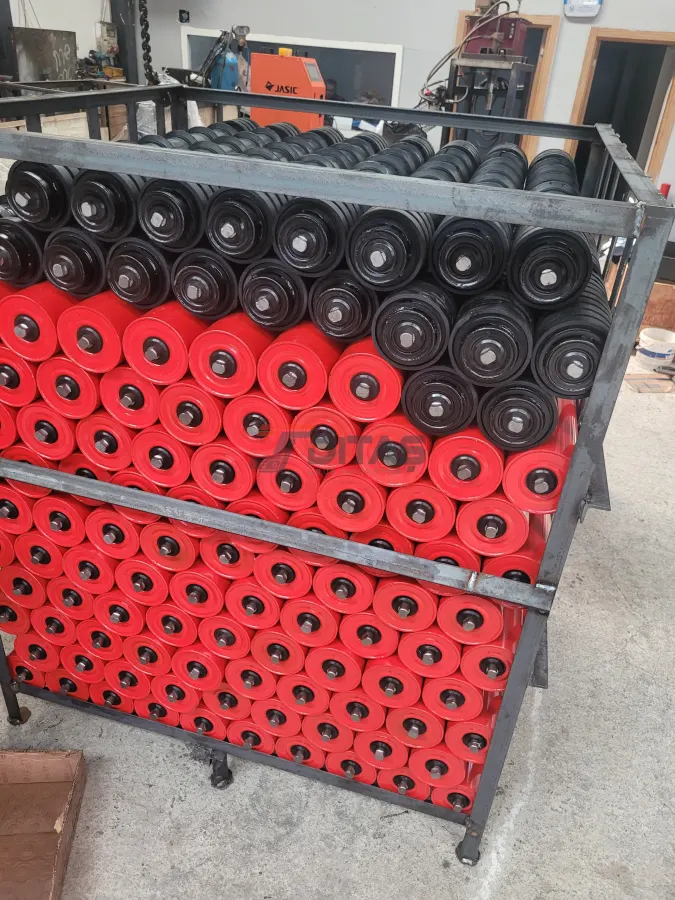
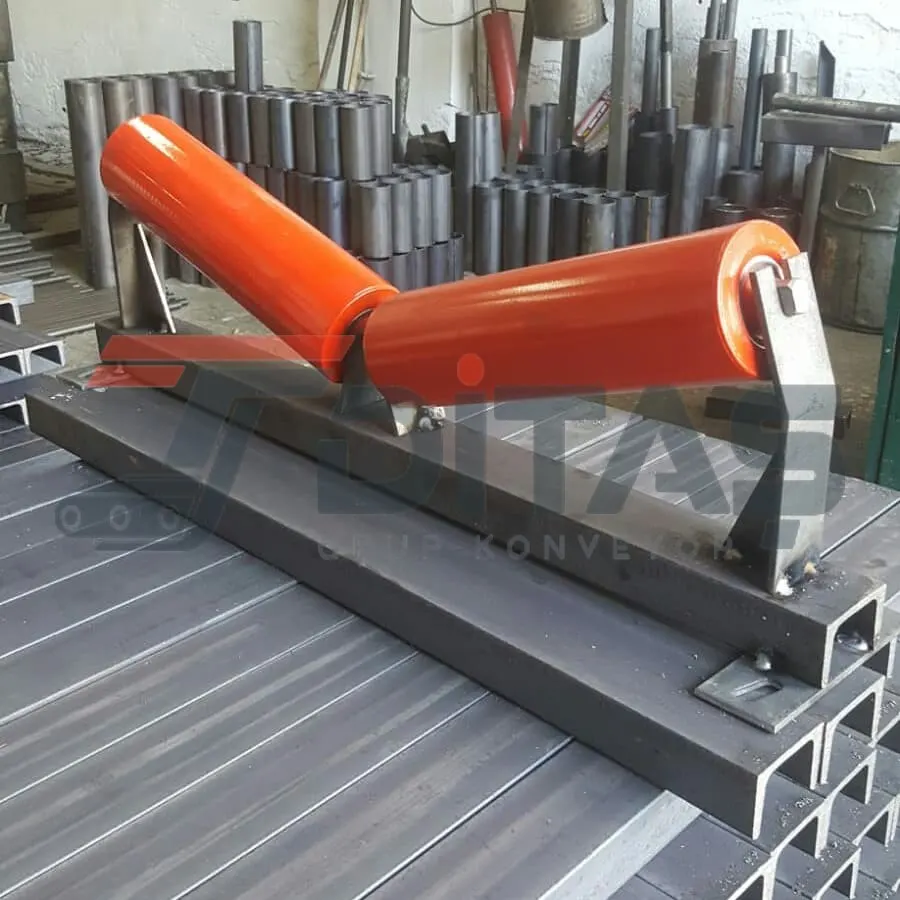
In the most common type, the belt conveyor, an endless belt is tensioned between pulleys at each end. The drive pulley transfers motor power to the belt, which runs over rollers mounted in idler stations along its length. Material is loaded at the feed point and carried to the discharge point.
Main conveyor types
- Belt conveyors: the standard for bulk materials over long distances and high capacities.
- Roller conveyors: for unit loads such as packages, crates and pallets.
- Chain and apron conveyors: for heavy and hot loads.
- Screw conveyors: enclosed handling of powders and granules.
Where are conveyors used?
Ore and aggregates in mines and quarries, clinker and raw meal in cement plants, coal in power stations, bulk cargo in ports and waste in recycling plants are typical applications.
The secret of an efficient conveyor
Conveyor performance depends heavily on component quality. Low-resistance rollers cut energy use, the right pulley and lagging prevent slip, and accurate idler frames keep the belt tracking straight.